
Laboratory Services
Occupational Hygiene Measurement and Analysis Services
Our occupational hygiene services encompass the measurement, analysis, and reporting of physical and chemical factors in work environments. The measurement plan is specially prepared according to the enterprise’s activities and exposure sources.
Measurement Planning
Field conditions, processes, and exposure sources are evaluated.
Sampling
Personal or ambient samples are collected using appropriate methods and equipment.
Analysis
Samples are analyzed in the laboratory according to relevant reference methods.
Reporting
Results are technically evaluated and clearly reported.
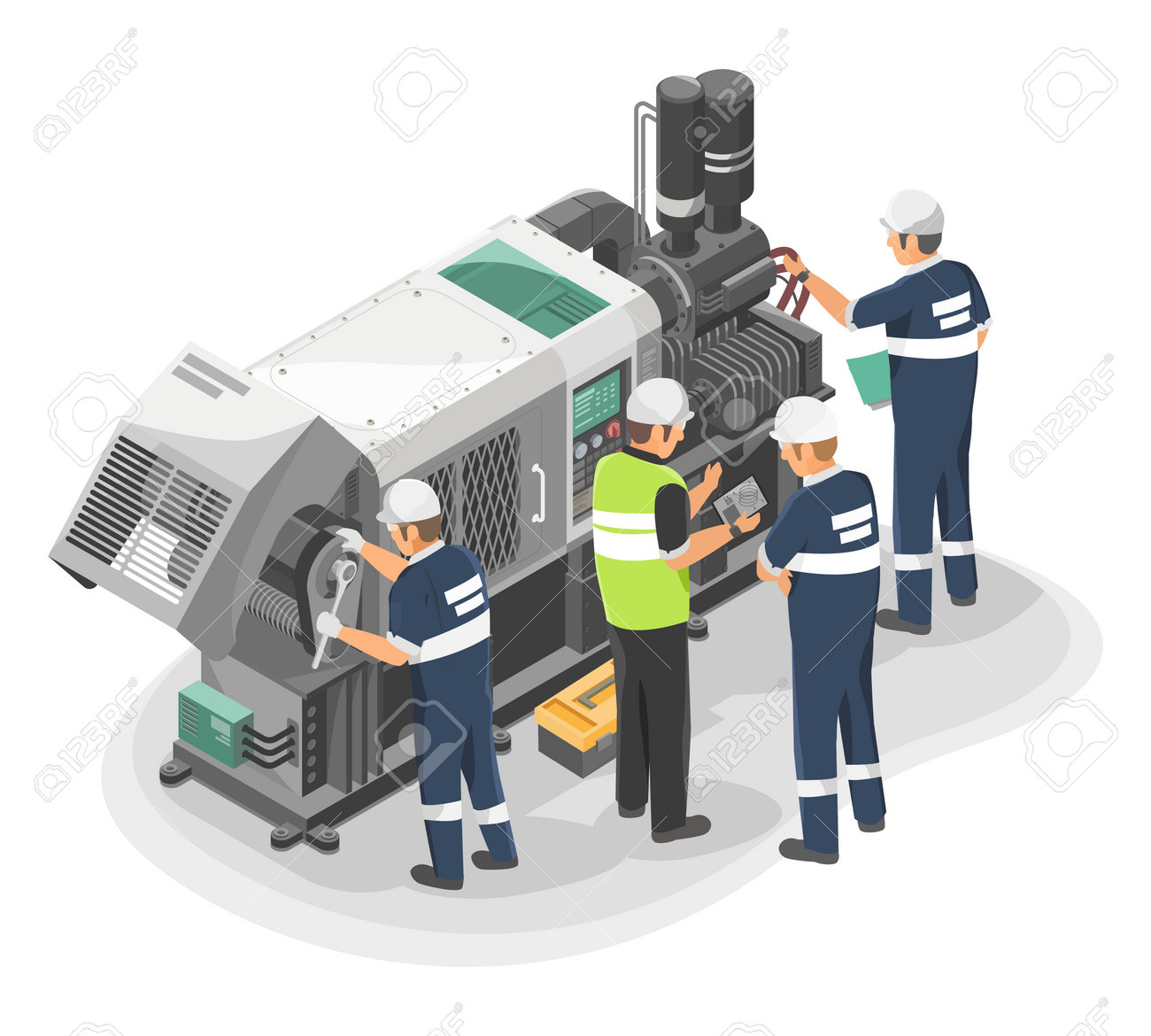
Occupational Hygiene Measurements
Encompasses developing a workplace-specific measurement strategy, field implementations, and results evaluation to identify physical and chemical risks that could affect employee health.
- Preliminary assessment and measurement planning customized to workplace processes
- Personal exposure and workplace environment measurements
- Combined assessment of physical and chemical factors
- Comparison of results with relevant limit values and formal reporting
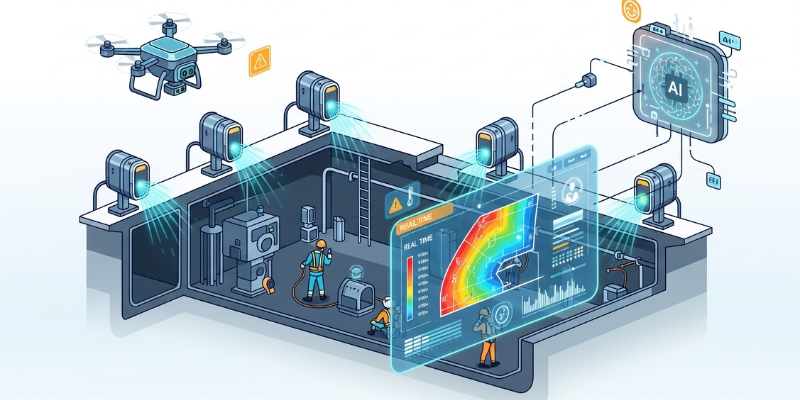
Personal Exposure Measurements
Measurements aimed at determining the actual exposure levels of employees originating from their breathing zones, equipment used, or working conditions while performing their duties.
- Personal noise exposure and near-ear dosimetry measurements
- Personal total and respirable dust exposure
- VOC, gas, vapor, heavy metal, and crystalline silica exposure
- Hand-arm and whole-body vibration exposure

Physical Factor Measurements
Encompasses the measurement of physical factors such as noise, vibration, lighting, thermal conditions, and electromagnetic fields that can affect employee health and working performance.
- Ambient and personal noise exposure measurements
- Hand-arm, whole-body, and machinery vibration measurements
- Lighting, thermal comfort, heat, and cold stress evaluations
- Electromagnetic field and magnetic field measurements
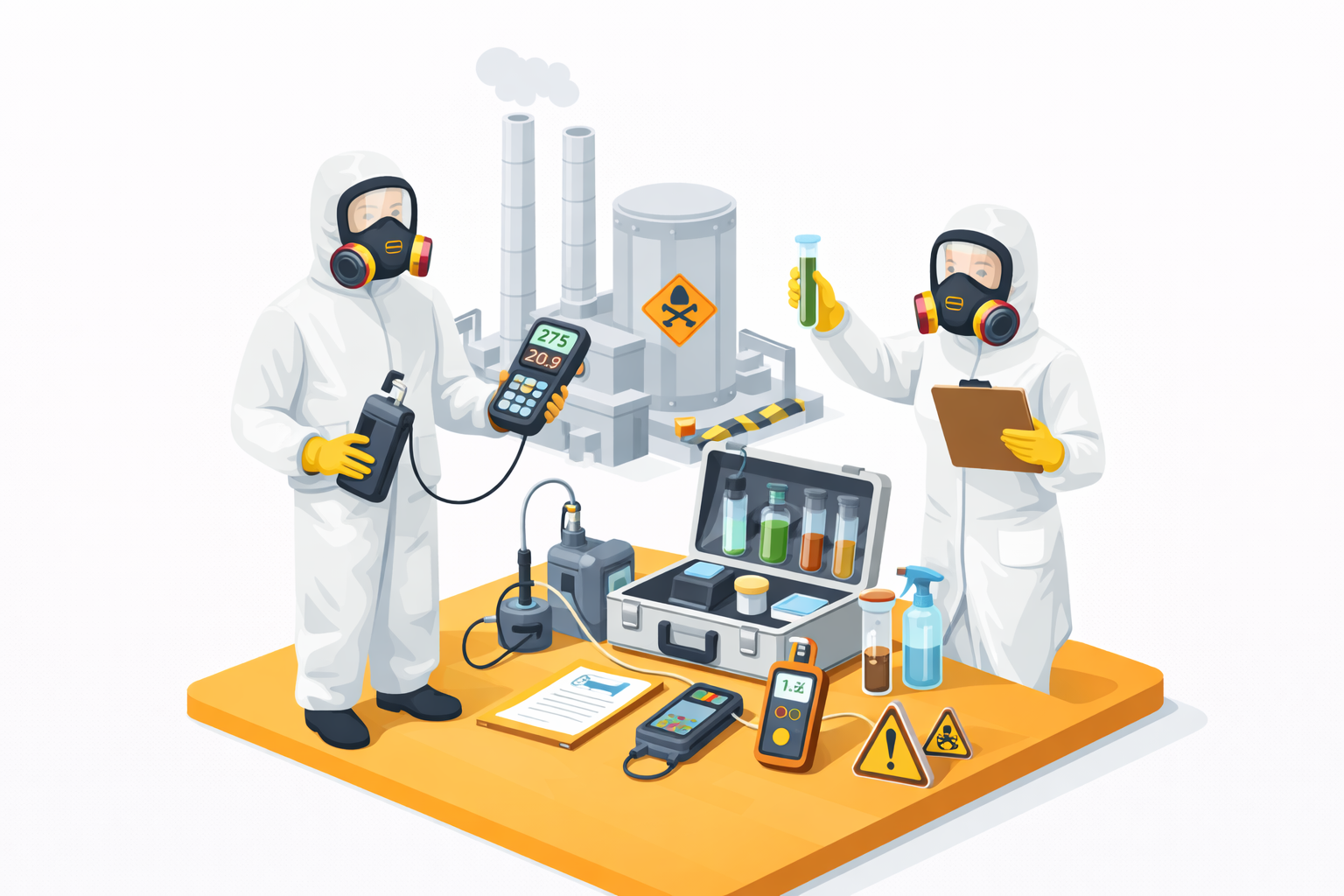
Chemical Factor Measurements
Services for the determination and evaluation of dust, fume, gas, vapor, aerosol, and chemical substances in the workplace air in terms of personal exposure or workplace environment.
- Total and respirable dust sampling
- Respirable crystalline silica analysis
- Volatile organic compounds (VOC) and toxic gases
- Heavy metal, acid, and chemical agent analyses

Sampling and Analysis
Encompasses personal or ambient sampling across various industries in accordance with national and international standard methods, and their subsequent laboratory analysis.
- Sampling with appropriate filter, tube, and equipment
- Chemical, physical, and gravimetric analyses in the laboratory
- Method validation and quality control procedures
- Technical evaluation and compliant reporting

Gauss Measurement
A technical measurement service performed to verify the magnetic field strength of magnetic separators, magnet bars, and magnetic systems used in manufacturing lines.
- Magnetic field strength measurements in the 0–30,000 G range
- Detecting performance loss, pole damage, and dead zones
- Verification of metal particle trapping efficiency
- Technical reporting and maintenance evaluation

Dust Measurement
Personal and ambient dust measurements carried out to protect employee respiratory health and assess workplace air quality.
- Personal total and respirable dust exposure
- Workplace ambient dust concentration determination
- Gravimetric analysis in the laboratory
- Comparison with occupational exposure limits and reporting

Noise Measurement
Personal noise dosimetry and workplace noise mapping to prevent occupational hearing loss and assess auditory risk in the work environment.
- Personal noise exposure dosimetry (Lex,8h, LCpeak)
- Workplace ambient noise mapping and contour assessment
- Evaluation against statutory exposure action and limit values
- PPE hearing protector adequacy assessment and reporting

Lighting Measurement
Workplace lighting level measurements performed with calibrated luxmeters to ensure visual comfort, occupational safety, and task performance.
- Illuminance (Lux) measurements across workstations
- Evaluation of lighting uniformity and glare factors
- Comparison with statutory standards and sector requirements
- Recommendations for lighting optimization and reporting

VOC Measurement
Personal exposure and ambient air measurements for volatile organic compounds (VOCs) and solvent vapors in chemical processes and painting lines.
- Active carbon tube sampling from personal breathing zones
- 55 components analyzed via gas chromatography
- Comparison with statutory OELVs and STEL limits
- Ventilation performance evaluation and reporting

Heavy Metal Measurement
Personal and ambient sampling and ICP-OES elemental analysis for heavy metals in welding, casting, plating, and metallurgy operations.
- Membrane filter sampling of airborne metallic particulates
- Analysis of 26–27 elements via microwave/hot block ICP-OES and cold vapor AAS (Hg)
- Evaluation of toxic elemental concentrations against regulatory limits
- Technical reporting with uncertainty budgets

Vibration Measurement
Hand-arm and whole-body mechanical vibration measurements to assess ergonomic risks, prevent vascular-skeletal disorders, and verify compliance.
- Triaxial accelerometer measurements on vibrating power tools
- Seat-pad accelerometer measurements on mobile machinery and vehicles
- Calculation of 8-hour daily exposure A(8) values
- Evaluation against daily exposure action and limit values

Silica Measurement
Specialized respirable crystalline silica (quartz and cristobalite) sampling and laboratory analysis in mining, construction, ceramic, and stone processing facilities.
- Cyclone selector sampling of respirable particulate fraction
- Laboratory analysis of crystalline silica phases (quartz, cristobalite)
- Comparison with the 0.1 mg/m³ statutory exposure limit value
- Silicosis prevention risk evaluation and reporting

Thermal Comfort Measurement
Microclimate assessments evaluating workplace temperature, humidity, air velocity, radiant heat, PMV, PPD, and WBGT heat stress indices.
- Ambient temperature, relative humidity, and air velocity measurements
- Globe thermometer radiant heat and WBGT index calculation
- PMV (Predicted Mean Vote) and PPD (Predicted % Dissatisfied) analysis
- Evaluation of seasonal working conditions and reporting

Electromagnetic Field Measurement
Electric, magnetic, and electromagnetic field measurements in the 0 Hz–1 MHz range around transformers, switchboards, motors, and industrial equipment.
- Electric and magnetic field strength measurements across workstations
- Determination of exposure near transformers, switchgear, and welding units
- Comparison with occupational exposure action levels
- Evaluation of distance, shielding, and safety clearances

Dust Control
Comprehensive occupational hygiene evaluations, risk analyses, and engineering control advisory for preventing and managing airborne dust in high-risk sectors.
- Identification of dust generation sources and high-risk operational steps
- Evaluation of local exhaust ventilation and containment systems
- Analysis of personal and ambient dust exposure data
- Technical guidance on collective protection and dust reduction strategies